01PaymentsInfrastructureInnovationCountry & regional perspectives

PAPSS plans to connect Egypt’s InstaPay application to its cross-border infrastructure. The service is not yet generally available and will depend on participating banks, live corridors, foreign exchange, liquidity and settlement.
2 MIN READ ↗02InfrastructureOperationsStrategyCountry & regional perspectives

Zoykpay has received authorisation from the Central Bank of Congo to provide ancillary payment aggregation services in the DRC. Commercial rollout still depends on live connections, settlement, reconciliation and operational controls.
2 MIN READ ↗03InnovationFinancial inclusionStrategyCountry & regional perspectives
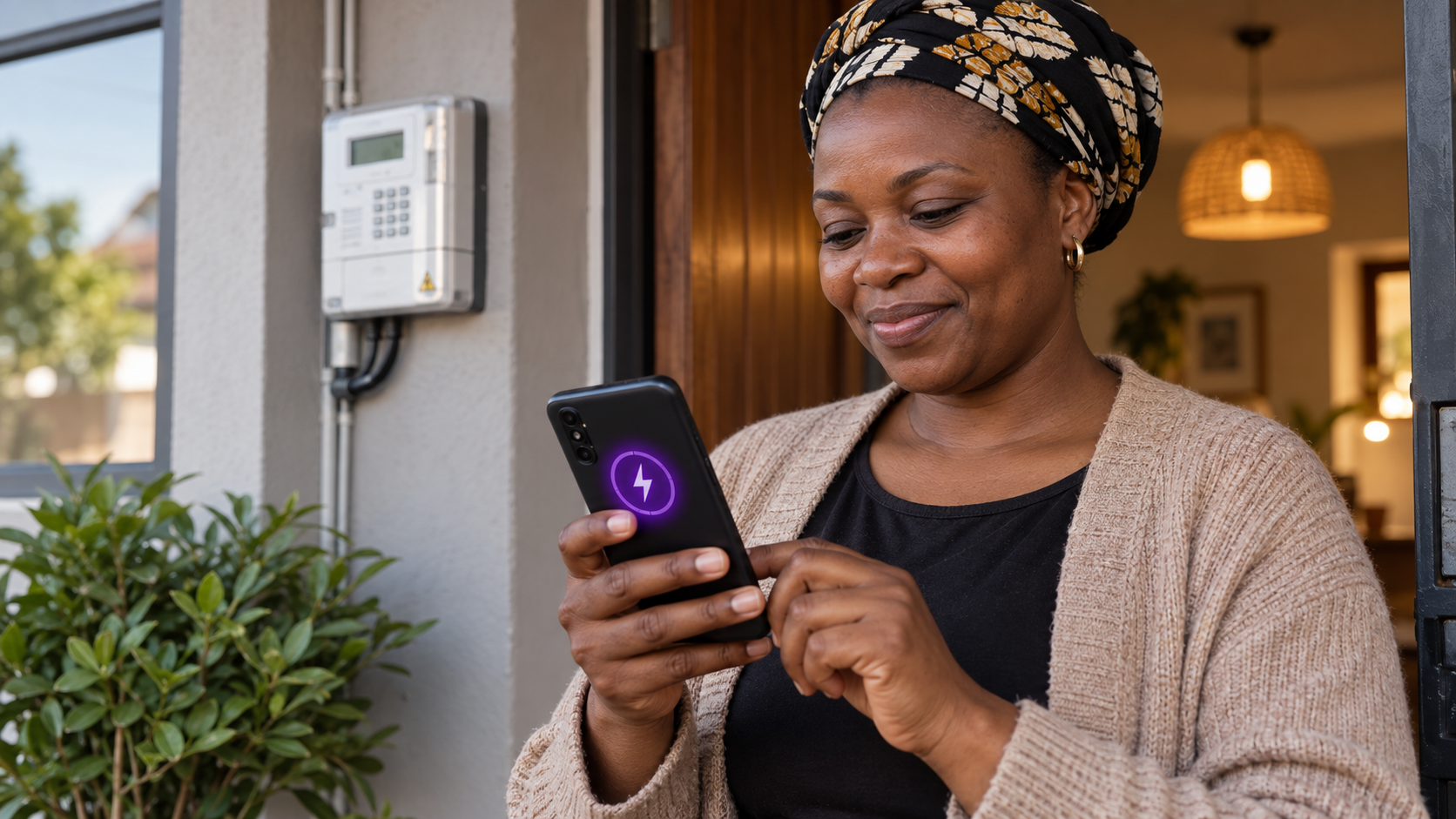
Optasia is preparing advances that let eligible customers buy prepaid electricity and repay through a later top-up. The product may bridge temporary liquidity gaps, but its value will depend on pricing, repeat borrowing and consumer protection.
5 MIN READ ↗04Standards & complianceOperationsStrategy

Revolut disclosed sensitive data after receiving fraudulent requests from a legitimate government email domain. The incident shows how an official cooperation process can become an exfiltration channel when the requester’s identity is not independently verified.
5 MIN READ ↗05PaymentsInnovationStrategyCountry & regional focus

Mastercard and Flowcart are launching a journey in Kenya that lets shoppers discover products, build a cart and pay by card from a WhatsApp conversation. The partners plan to expand across East Africa and later into South Africa, Nigeria and Côte d’Ivoire.
5 MIN READ ↗06PaymentsInnovationStrategyCountry & regional focus
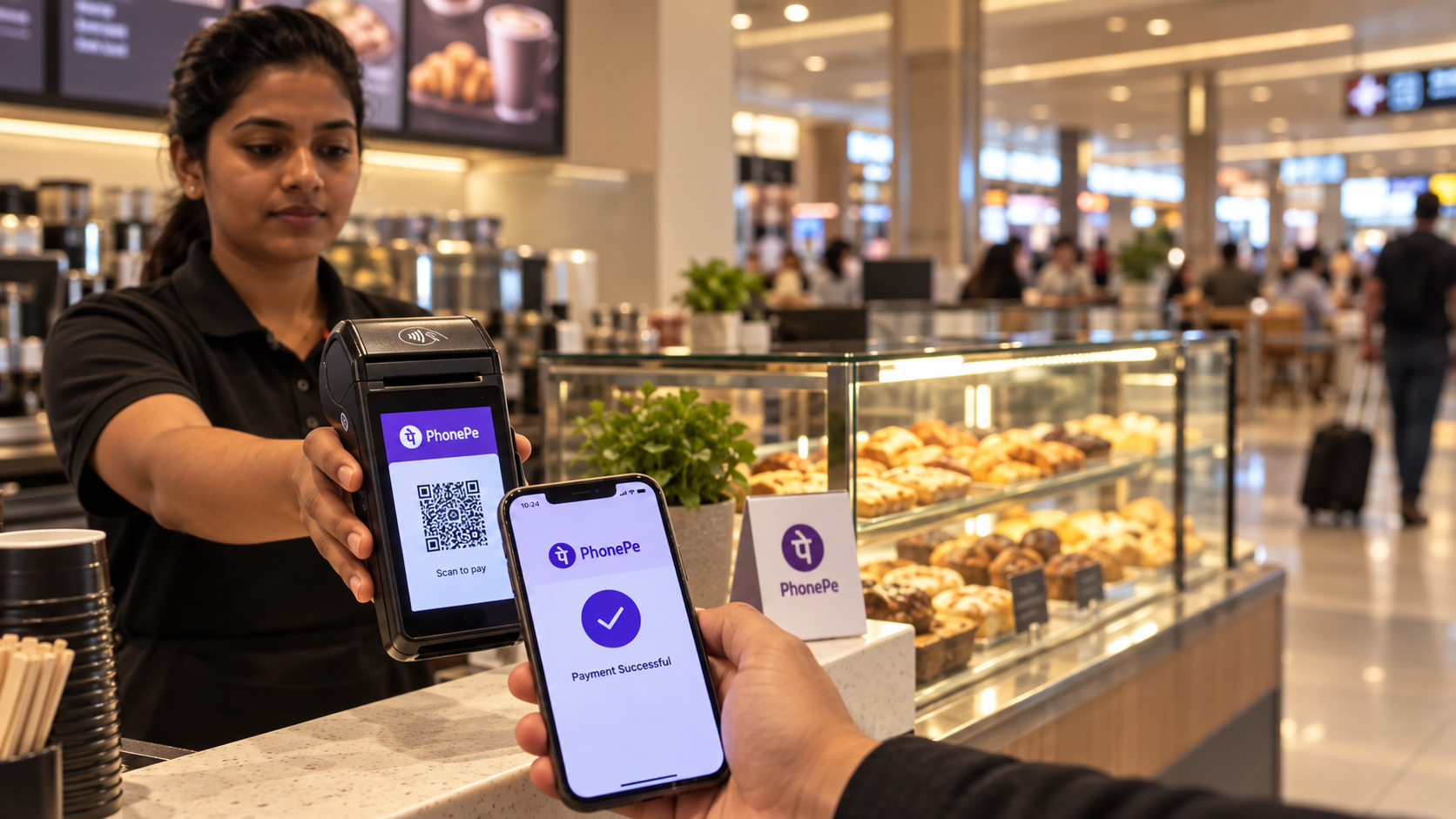
PhonePe has secured its first international licence in the United Arab Emirates. The Indian fintech will be able to acquire merchants, deploy payment terminals and offer foreign-exchange services, moving beyond UPI acceptance for travellers towards a genuine local operation.
4 MIN READ ↗07PaymentsInnovationStandards & complianceInfrastructure

Visa, Mastercard and Ant International are developing a common framework that would help networks, wallets, agent platforms and merchants recognise trusted AI agents. The challenge is not only to execute a payment, but to prove who is acting, for whom and within which limits.
5 MIN READ ↗08PaymentsInfrastructure

Circle has signed a definitive agreement to acquire Tazapay. Beyond expanding USDC, the deal shows that a global stablecoin still needs banks, licences, liquidity and local payment rails to become a true cross-border payments infrastructure.
5 MIN READ ↗09PaymentsInfrastructureOperationsCountry & regional perspectives

Nomba has secured a $3 million debt facility to increase the USD liquidity supporting payments from the DRC into Asia. Beyond the financing announcement, the deal highlights a core challenge in cross-border payments: having the right currency, in the right place, at the right time.
5 MIN READ ↗10PaymentsInnovationOperationsStrategy

Visa is integrating Featurespace technology into A2A Protect for the first time. The enhanced solution combines real-time risk scoring, transfer learning, explainable alerts and optional network-level signals to improve the detection of coordinated account-to-account fraud.
8 MIN READ ↗11PaymentsInfrastructureInnovationStandards & complianceStrategyCountry & regional perspectives

Standard Bank is the only African institution among 21 firms preparing a bank-backed dollar stablecoin for 2027. For Africa, the real issue goes beyond blockchain: access, FX, liquidity, regulation and local-currency conversion will determine whether the system is truly global.
8 MIN READ ↗12PaymentsOperationsStrategyCountry & regional perspectives

South African e-commerce is expected to reach R159 billion and 10% of retail in 2026. At this level of maturity, the challenge is no longer simply selling online: merchants need to measure checkout friction, authentication, declines, completion and repeat purchasing.
7 MIN READ ↗13PaymentsInfrastructureCountry & regional perspectives

Ghana’s mobile money ecosystem processed almost GH¢4.54 trillion in 2025, yet 41% of transaction value came from Agent-to-Agent transfers. Looking beneath the headline reveals a deeper story about customer usage, agent liquidity, cash, stored value and the rise of instant payments.
6 MIN READ ↗14PaymentsInfrastructureStandards & complianceStrategyCountry & regional perspectives

Visa and Mastercard completed landmark international card transactions in Syria in August 2026. The few seconds required to approve a payment conceal a much larger reconstruction effort involving regulation, compliance, acquiring, payment infrastructure, settlement, foreign exchange and international banking relationships.
8 MIN READ ↗15PaymentsInfrastructureStrategyCountry & regional perspectives

A World Bank report places interoperable infrastructure at the centre of Africa’s integration agenda. PayX proposes eight indicators for measuring how payment systems contribute to trade between African businesses.
8 MIN READ ↗16PaymentsInfrastructureStrategyCountry & regional perspectives

MTN reported $330.5 billion in fintech transaction value in the first half of 2026, supported by 70.8 million active MoMo users and 2.3 million active merchants. Merchant payments and advanced financial services provide a clearer picture of how the ecosystem is evolving.
5 MIN READ ↗17PaymentsInfrastructureInnovationStandards & complianceCountry & regional perspectives

In Bahrain, INFINIOS is now using stablecoins to settle certain obligations with Mastercard. The arrangement creates a path toward more flexible settlement, including 24/7 capabilities, while leaving the cardholder payment experience unchanged.
8 MIN READ ↗18PaymentsInfrastructureInnovationStrategy

Visa has agreed to acquire BioCatch for $2.4 billion. The deal highlights an important shift in fraud prevention: analysing customer behaviour, devices and digital sessions to detect certain risks before a payment is completed.
6 MIN READ ↗19PaymentsInnovationStandards & complianceCountry & regional perspectives

South Africa is proposing to bring certain crypto asset transfers within its cross-border capital flow framework once they leave an authorised domestic provider. For WAEMU, the main lesson lies in how the regulatory perimeter is defined, particularly for stablecoins used to move value.
4 MIN READ ↗20PaymentsInfrastructureInnovationStrategyCountry & regional perspectives

Brazil’s central bank is exploring new Pix use cases spanning business credit, B2B receivables, fraud prevention and cross-border payments. The roadmap illustrates how a widely adopted instant payment rail can gradually evolve into a broader piece of economic infrastructure.
8 MIN READ ↗21PaymentsInfrastructureInnovationStandards & complianceCountry & regional perspectives

Since 3 August 2026, SYSTAC 2 has been modernising the clearing of retail payments across CEMAC. Together with a future instant payment service and connection to PAPSS, it moves the region towards a more integrated architecture, but does not guarantee interoperability on its own.
7 MIN READ ↗