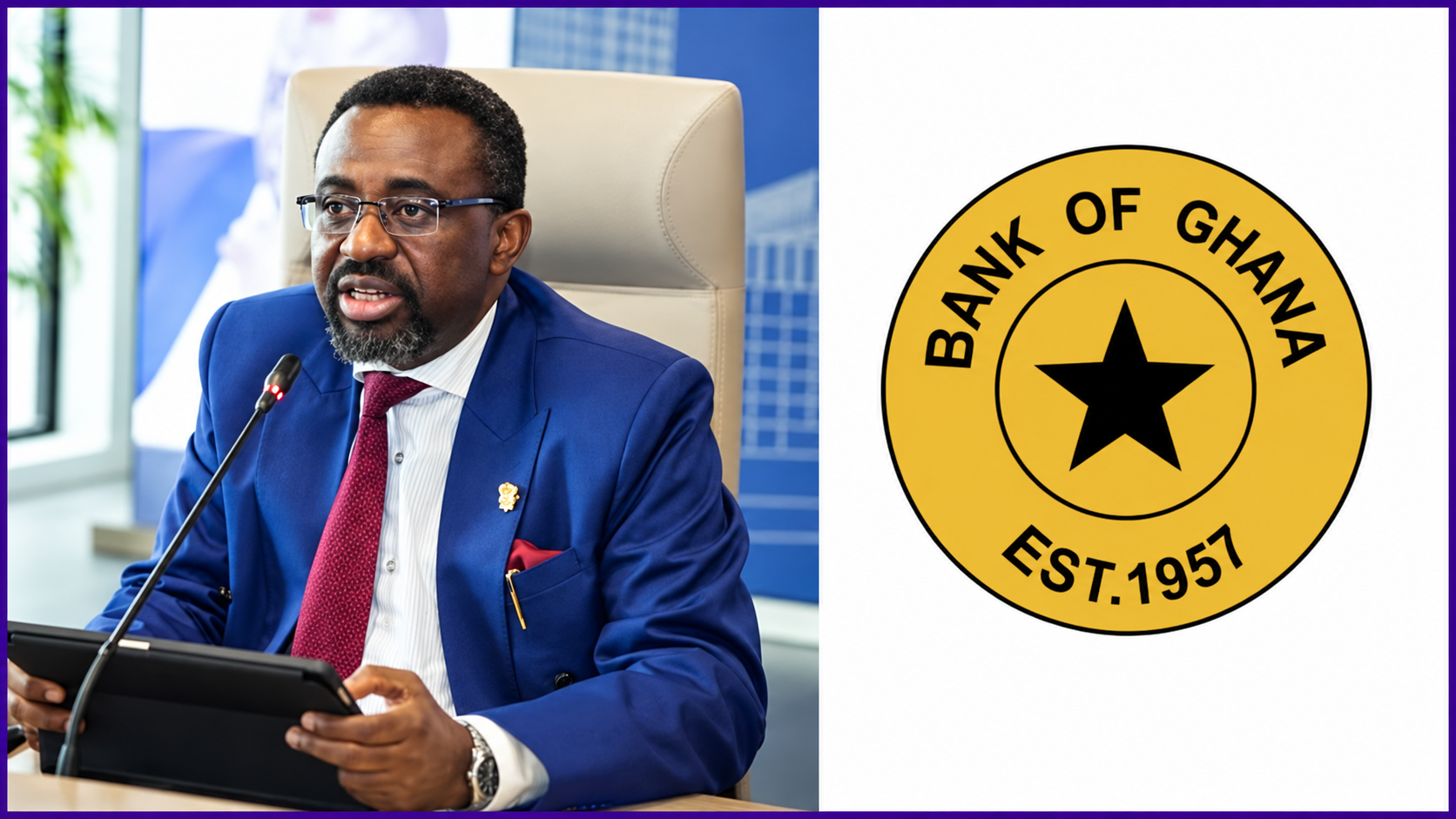
On 13 October 2026, Bank of Ghana Governor Dr Johnson Pandit Asiama said the central bank was testing cross-border interoperability with Rwanda and Nigeria across central bank digital currencies, stablecoins, bank accounts and wallets. He also said the Pan-African Payment and Settlement System, PAPSS, had been extended to mobile wallets on the Ghana-Nigeria corridor.
The two statements are related, but they do not describe exactly the same development. The first concerns tests across several forms of money and more than one jurisdiction. The second points to a wallet extension on one specific PAPSS corridor. The available sources do not yet provide a complete list of customer-facing providers, detailed pricing, transaction volumes, success rates or a full incident-handling framework.
That distinction matters. Infrastructure can be connected before a service becomes widely available, measurable and understandable to the end customer.
Why the wallet endpoint matters
PAPSS is designed to carry cross-border payments between an originator and a beneficiary in their respective local currencies. According to the system’s official description, the instruction starts with the sender’s bank or payment service provider, passes through PAPSS for validation, and is then forwarded to the beneficiary’s provider for local-currency credit.
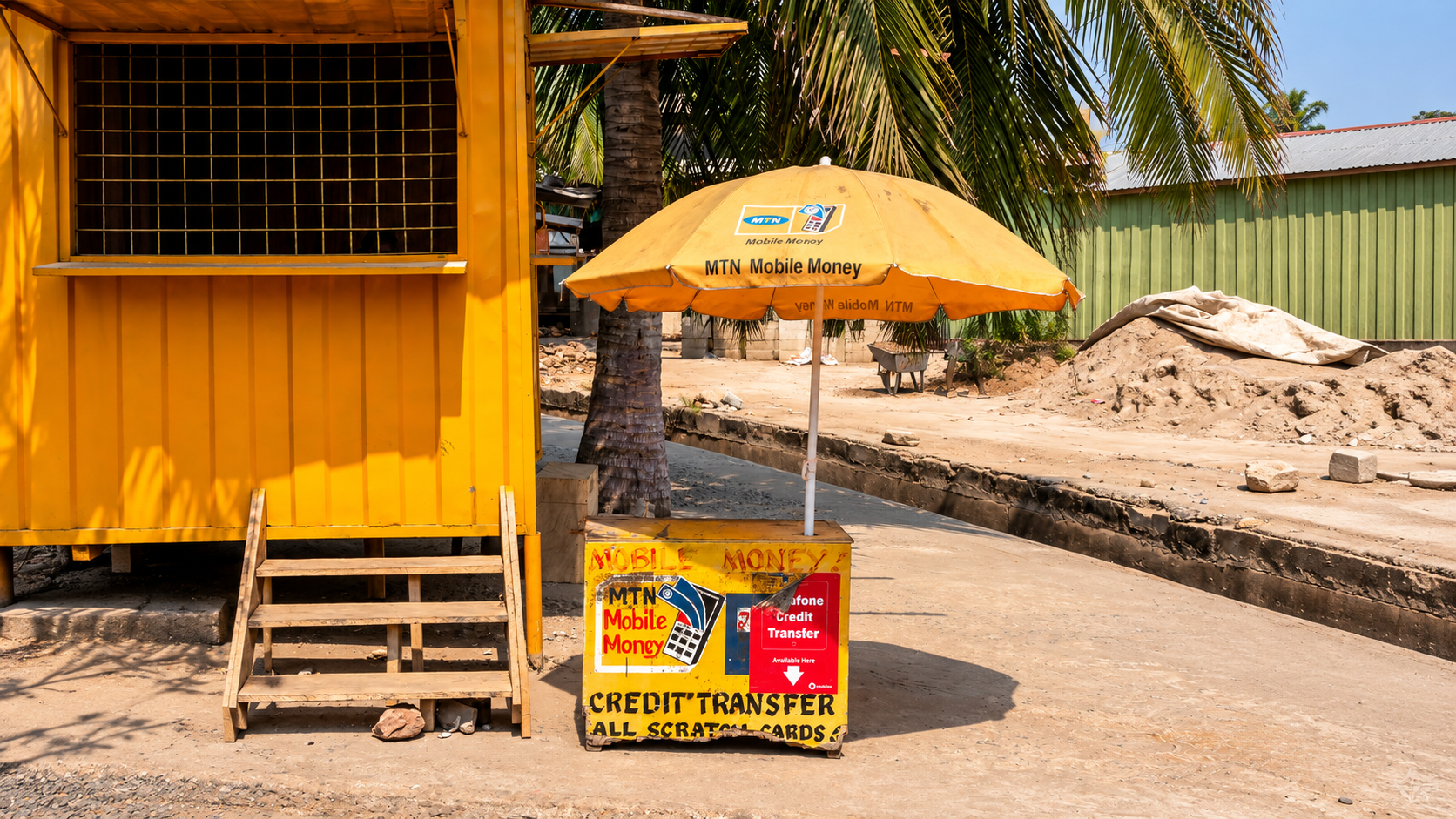
Adding a wallet as a pay-in or pay-out endpoint potentially moves this model beyond banked customers. It brings the infrastructure closer to the everyday behaviour of markets where mobile money already acts as a practical transaction account for many consumers and small merchants.
The Bank of Ghana’s 2025 Payment Systems Oversight Annual Report, published in 2026, had already described a PAPSS and Onafriq cross-border service that allowed customers of participating banks, fintechs and mobile money providers to send and receive funds into wallets or bank accounts. A PAPSS participant list published in April 2026 also listed Onafriq in Ghana for pay-in and pay-out through mobile-wallet partners.
The October announcement therefore does not start from zero. It appears to extend a capability that was already being assembled. What it does not yet establish is the exact commercial reach of the Ghana-Nigeria service.
Technical connectivity is not yet a customer experience
For users, the value of a corridor is not measured by the number of connected infrastructures. It is measured by a simple sequence: identify the beneficiary, see the total amount to be debited, know the net amount to be received, obtain reliable confirmation and resolve an exception quickly.
Four layers deserve close attention.
1. Effective access
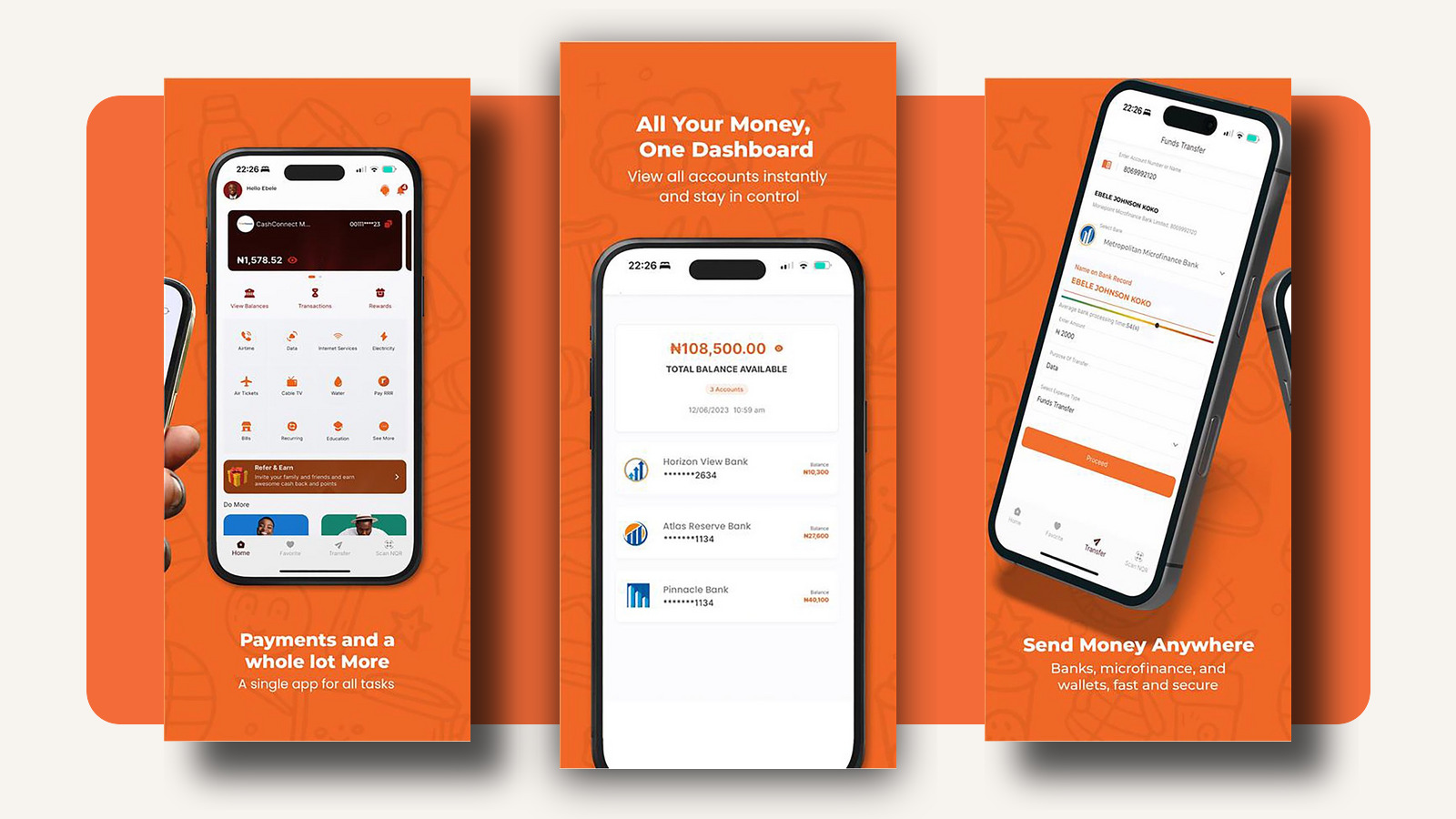
The market needs to know which wallets, banks and providers actually offer the corridor, through which channels and to which customer groups. A participant-level connection does not automatically mean that every customer can use it from the app they already have.
2. Foreign exchange and liquidity
A payment may start in Ghanaian cedis and end in Nigerian naira, but the experience depends on the exchange rate, any FX margin, fixed and variable fees, and available liquidity. A local-currency transaction can still be difficult to compare if the full cost is not displayed before confirmation.
3. Rejects, returns and complaints
Cross-border payments involve several institutions. When a wallet is debited but the beneficiary is not credited, the problem is not purely technical. Someone must open the case, locate the transaction, decide whether funds should be returned and meet a clear deadline. PAPSS documents reporting, exception, reconciliation and return functions, but the customer-facing responsibility also depends on the providers at both ends of the corridor.
4. Fraud and confirmation of payee
The Ghanaian governor also called for common standards covering payment messaging, payee verification and fraud-data sharing. This is fundamental. Instant execution reduces the time available to stop an error or scam. Beneficiary-name confirmation, transaction limits, alerts and coordinated dispute handling are therefore core controls, not optional extras.
CBDC, stablecoin, account and wallet: a test is not a unified service
The announcement brings together four forms of money or account. It does not mean that one product already allows any customer to convert freely between all of them.
Mobile money represents a claim on an electronic-money issuer. A bank deposit is a commercial bank liability. A central bank digital currency would be a direct central bank liability under the chosen design. A stablecoin depends on an issuer, a reference asset, reserve arrangements and its applicable regulatory framework.
Making these instruments interoperable requires conversion, compliance, settlement, liquidity and liability rules. The Bank of Ghana test is important precisely because it places several models in the same experiment. It would be premature to conclude that they are already equivalent or interchangeable at scale.
What francophone markets can learn
For WAEMU and CEMAC, the lesson is not to copy the Ghana-Nigeria corridor mechanically. It is to treat interoperability as a full operational chain.
Connecting banks, electronic-money issuers and payment institutions is the first step. The next step is to publish evidence of use: the number of services actually open, availability, success rates, speed, total cost, incidents, returns and reconciliation quality.
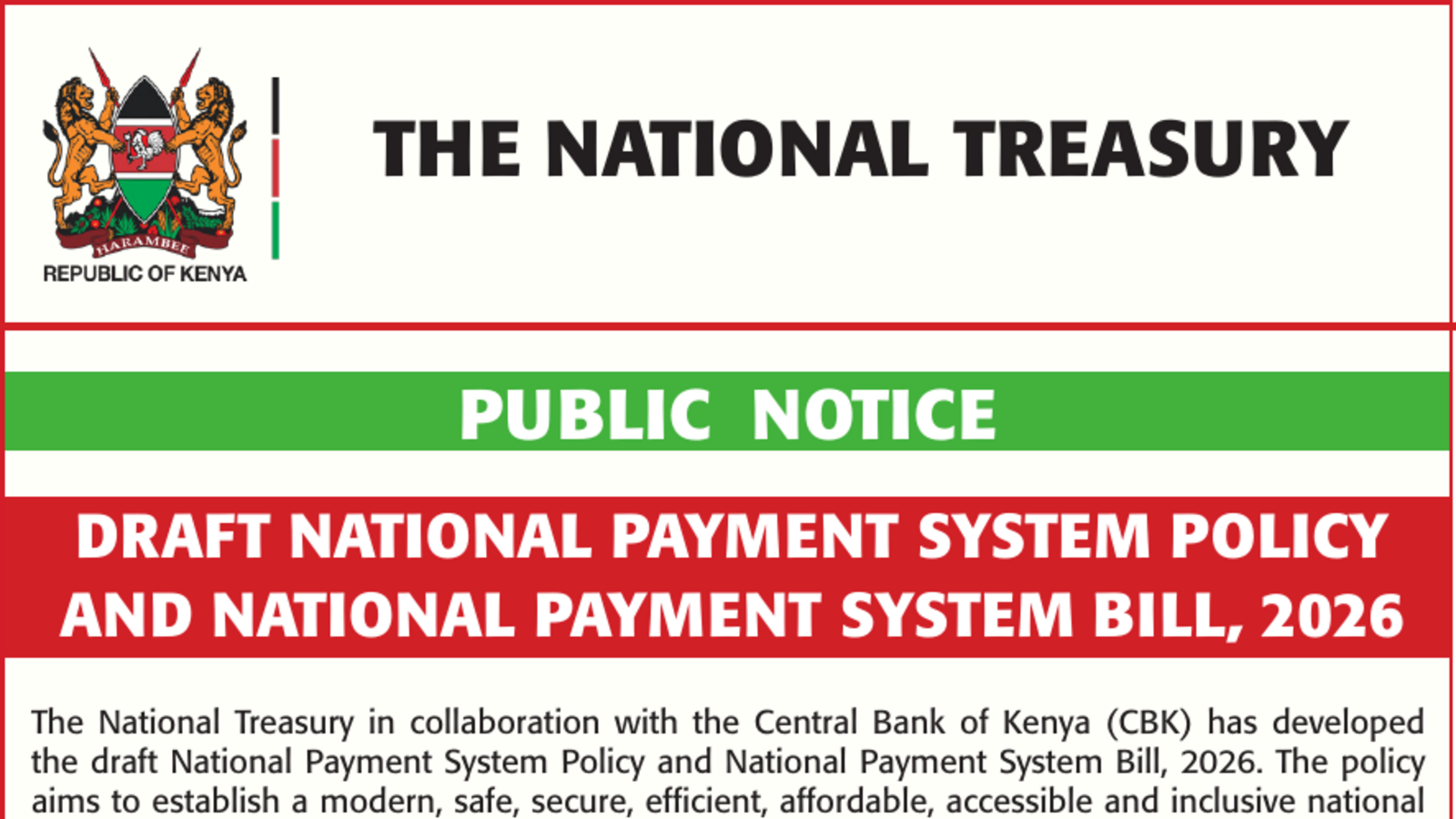
Regional infrastructures such as PI-SPI in WAEMU and the payment-system modernisation efforts under way in CEMAC can also benefit from consistent rules for payee verification, fraud-signal sharing and cross-jurisdiction complaint handling. Success will depend not only on the speed of the central rail, but also on the operational quality of each endpoint.
The indicators that should define success
The move from an interoperability announcement to a credible service can be assessed through concrete indicators:
- a public list of wallets, banks and providers that customers can actually use;
- transaction count and value, clearly separating pilots from commercial usage;
- the end-to-end success rate;
- median credit time and exception-resolution time;
- total customer cost, including foreign exchange;
- return, complaint and fraud rates;
- service availability and reconciliation quality across participants.
The Ghana-Nigeria corridor matters because it links two major markets and brings a continental infrastructure closer to wallet users. Its next task is no longer to show that systems can be connected. It is to prove that the resulting service is accessible, transparent, reliable and properly protected.
Sources
- Ghana News Agency: Bank of Ghana governor's announcement, 13 October 2026
- Ghana Netherlands Business & Culture Council: overview of the cross-border tests, 15 October 2026
- Bank of Ghana: Payment Systems Oversight Annual Report 2025
- Bank of Ghana: memorandum of understanding with Rwanda
- PAPSS: official overview
- PAPSS: how the infrastructure works
- PAPSS: live banks and channels list published in April 2026